Industrial Insulation Project Case Studies — Calcium Silicate Applications Worldwide
Documented calcium silicate insulation installations across cement, steel, petrochemical, power, aluminum, glass, and fire protection industries. Real projects with measured thermal performance data.
Proven Performance in Heavy Industry
Verified Manufacturing Data: Mingfa Insulation — established 1991, joint venture with China Building Materials Academy. 108,000 m² facility, ~20 national patents, ISO 9001:2015 certified. Annual capacity: 50,000+ tonnes. Full company profile
Since 1991, Mingfa Insulation has supplied calcium silicate thermal insulation systems to heavy industrial facilities operating under the most demanding conditions. Our project portfolio spans cement kilns at 1400+°C internal temperatures, aluminum electrolysis cells requiring precise thermal balance, steel ladles where a 22% reduction in gas consumption was documented, glass melting furnaces, petrochemical process heaters, and power plant boilers. With 34 years of manufacturing experience, exports to 70+ countries, and over 50,000 tonnes of calcium silicate insulation installed worldwide, every project is backed by documented thermal performance data — pre- and post-installation shell temperature measurements, energy savings calculations, and ROI analysis. The case studies below represent a cross-section of industries and operating conditions, each with measurable results that specifiers and plant engineers can reference when evaluating insulation solutions.
Standards: [1] ASTM C533-17(2023); [2] EN 14306:2015+A1:2018; [3] GB/T 10699. Certifications
Key Takeaways
- Global Project Portfolio: 16+ documented case studies across 7 industries in 25+ countries — cement, aluminum, steel, glass, power, fire protection, and building — with over 50,000 tonnes installed since 1991.
- Measurable Results: 22% gas savings on 180T steel ladle, 358→218°C kiln shell temperature reduction in Ethiopia (15-20% fuel savings), ~40°C glass furnace shell reduction — every result backed by pre- and post-installation thermal measurements.
- Structured ROI Documentation: Three-phase process — pre-installation thermal audit, post-installation infrared thermography, and ASTM C680 energy savings calculation — with typical payback periods of 6-18 months for cement kiln projects.
- Mingfa Differentiator: 34 years of continuous manufacturing with documented project data across diverse operating conditions — not just a supplier, but an engineering partner that can prepare case-study-level analysis for your specific application.
Project Gallery
Browse completed insulation projects by industry. Each project uses xonotlite calcium silicate products engineered for specific operating conditions , from 1050°C cement kilns to fire-rated building compartmentation.
Featured Project
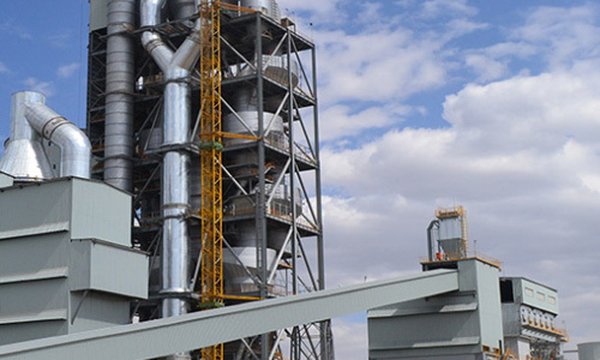
Ethiopia Cement Production Line
Complete rotary kiln and preheater tower insulation package supplied for a major Ethiopian cement production line. Mingfa’s high-temperature xonotlite calcium silicate boards, rated to 1050°C, were installed on the kiln shell, preheater cyclones, and tertiary air duct, replacing a multi-layer ceramic fiber system with a single-layer solution that simplified installation and reduced hot-spot risk.
All Projects
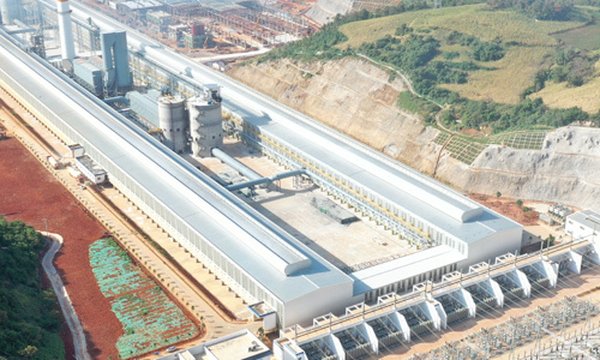
Yunnan Wenshan Aluminum Co., Ltd
Aluminum reduction cell sidewall and cathode backup insulation. High-density calcium silicate boards (500-600 kg/m³) installed to maintain thermal balance in Hall-Héroult cells, reducing cell heat loss and stabilizing bath temperature.
~8°C bath temperature stabilization
Yunnan Shenhuo Aluminum Co., Ltd
Aluminum electrolysis production line insulation. Custom-shaped calcium silicate blocks fitted to pot shell contours. Yunnan Province, China.
Reduced cell heat loss & improved current efficiency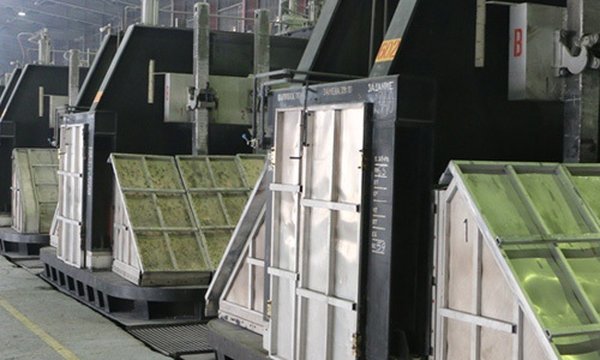
Qingtongxia Aluminum Electrolyzer
Electrolyzer backup insulation retrofit project. High-strength calcium silicate boards selected for crush resistance under cell weight. Ningxia, China.
8 MPa compressive strength grade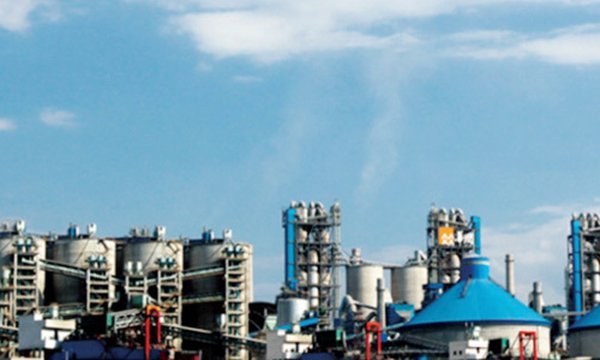
Huarun Shufenkai Cement Production Line
Kiln shell and hot duct insulation supply for a major cement producer. Calcium silicate boards rated 1050°C maximum service temperature. Fengkai, Guangdong Province.
1050°C rated high-temp grade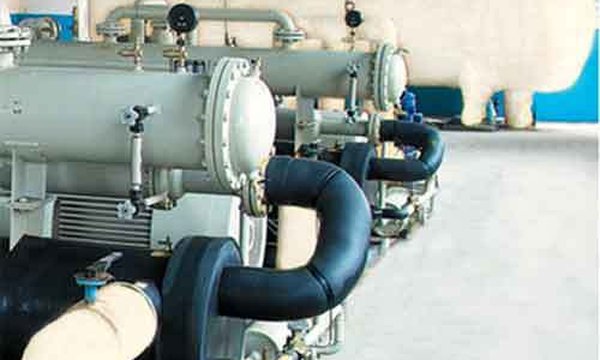
Green Steel Coating Application
Insulation coating for steel industry equipment protection. Calcium silicate coating-grade material applied to ladle shells and transfer car linings, reducing surface temperature and protecting structural steel from thermal degradation.
22% gas savings on 180T steel ladle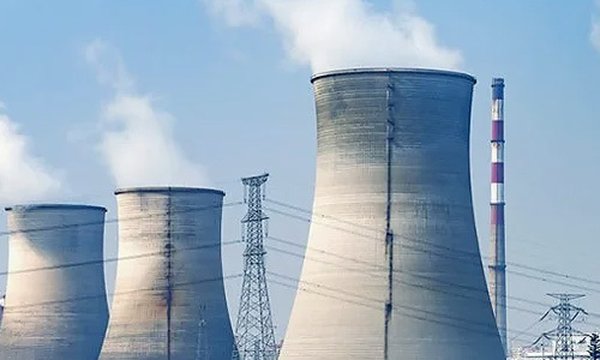
Shouguang Chenming Power Plant
Boiler and steam pipe thermal insulation. Pre-cut calcium silicate pipe sections and board insulation for superheated steam lines operating at 540°C. Shandong Province.
540°C steam line insulation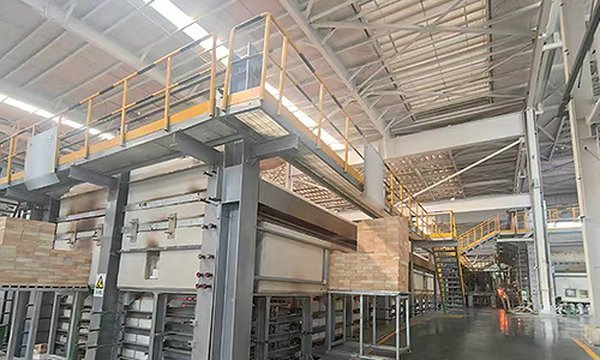
Linyi Laning Jinxi Tai Glass Production Line
Glass melting furnace backup insulation. Dense calcium silicate boards (500+ kg/m³) installed behind refractory lining to improve thermal profile and reduce outer wall temperature. Shandong Province.
~40°C shell temperature reduction
Super Calcium Silicate Fireproof Board Project
GF-1100 fireproof board for building fire protection systems. EN 13501-1 A1 non-combustible rated, 350-450 kg/m³ density, 120-minute fire door core application. National fire testing laboratory certified.
120-min fire rating achieved
Makuhari Mesa Azur Cartier
Building fire protection and thermal insulation. Calcium silicate boards installed for structural steel fireproofing and compartmentation walls. International project , Japan.
EN 13501-1 A1 Class A fire rating
Zibo Dongcheng Bus Terminal
Public transportation facility fireproof insulation. High-traffic public space requiring non-combustible materials per Chinese GB 8624 Class A. Shandong Province.
Public safety , GB 8624 Class A compliant
Shinrai Eiffel Gardens
Residential building fire protection. Calcium silicate fireproof boards for elevator shaft enclosures and stairwell pressurization ducts.

Jinan Weidong Xindu Residential Complex
Residential complex thermal insulation and fire protection system. Calcium silicate boards as fire-rated backing for curtain wall spandrel panels.

Tak Sun Yuen Residential Area
Residential fireproof insulation application. Multi-building complex using standardized board dimensions for efficient installation across repetitive floor plans.

Zhongxi Xiangbin Mountain Yajulee Royal Dragon Hill
Premium residential fire protection. High-end development specifying EN 13501-1 A1 fireproof board for enhanced safety in luxury residential construction.

St. Maurice Project
Building insulation and fire protection. Calcium silicate boards specified for structural steel protection and service riser fire stopping. International project.
How We Document Project Results
Every Mingfa insulation project follows a structured three-phase documentation process. These records serve as the technical basis for energy savings verification, ROI calculation, and future maintenance planning.
1. Pre-Installation Thermal Audit
Before insulation is applied, our engineers document baseline conditions: uninsulated shell temperatures at multiple measurement points using contact thermocouples and infrared thermography, ambient conditions, process operating parameters (internal temperature, production rate), and existing insulation condition if this is a retrofit. This data establishes the reference point for all subsequent performance calculations.
2. Post-Installation Shell Temperature Measurements
After insulation installation and equipment restart, we conduct a follow-up thermal survey once steady-state conditions are reached (typically 48-72 hours of continuous operation). Shell temperatures are measured at the same locations as the pre-installation audit using identical instrumentation. Infrared thermography captures full-surface temperature distribution, identifying any hot spots that may indicate installation gaps or moisture intrusion. Results are compiled into a comparative report showing before/after temperature reduction at each measurement point.
3. Energy Savings Calculation and ROI Analysis
Using the measured before/after temperature differentials, we calculate heat loss reduction per ASTM C680 methodology for each insulated surface. The total heat loss reduction (in kW or BTU/hr) is converted to fuel savings based on the plant's specific fuel type, boiler efficiency, and local energy costs. Capital cost (insulation materials, installation labor, downtime) is compared against annual energy savings to produce a project-specific ROI timeline. For a typical cement kiln insulation project, payback periods of 6 to 18 months are common.
Submit Your Project Requirements
Our engineering team will prepare a case-study-level analysis for your specific application — including thermal performance projections, material recommendations, and estimated energy savings based on your operating conditions. No cost, no obligation.
Submit Your Project DetailsAbout the Author — Mingfa Insulation Technical Team
Mingfa Insulation engineering team — 34+ years calcium silicate R&D and manufacturing since 1991. ~20 national patents. lzmfgr@163.com