Calcium Silicate Insulation Supplier in Bangladesh
Bangladesh has a growing industrial sector with cement, steel, and power generation as the primary consumers of thermal insulation materials. The country has experienced significant infrastructure investment over the past decade, though 2024 saw an economic slowdown following political transition in August. Despite near-term headwinds, Bangladesh's long-term industrial demand for insulation materials remains significant, driven by cement production (over 60 million tonnes/year capacity), steel manufacturing, and power plant construction. Mingfa supplies calcium silicate insulation to Bangladeshi buyers with competitive sea freight from Qingdao to Chittagong.
1. Industrial Insulation in Bangladesh
Key Takeaways
- Shipping: Qingdao to Chittagong 20-25 days; total order-to-delivery 35-55 days for Bangladesh projects
- Specs: ASTM C533 compliant calcium silicate boards and pipe sections; 230 kg/m3 standard grade for cement, steel, and power generation industries
- Market benefit: 30-50% cost advantage vs European manufacturers for Bangladesh's price-sensitive industrial market
- Mingfa advantage: 34+ years calcium silicate manufacturing since 1991, ~20 national patents, ISO 9001 certified factory
Mingfa Manufacturing Note: All calcium silicate products shipped from our 108,000 m² Shandong facility (50,000+ tonnes annual capacity) undergo batch testing per ASTM C533 before export. Test certificates included with every shipment. Quality assurance details
Bangladesh's industrial insulation market is primarily driven by three sectors:
Standards: [1] ASTM C533-17(2023); [2] EN 14306:2015+A1:2018; [3] GB/T 10699. Certifications
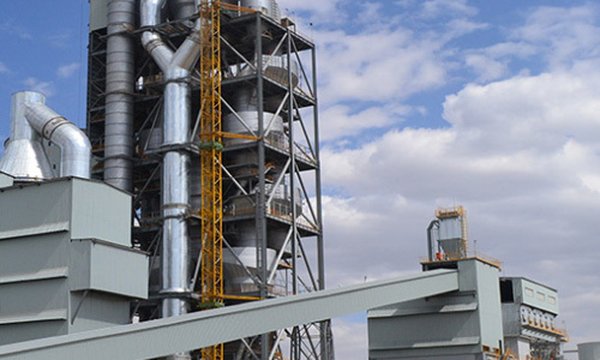
- Cement. Bangladesh has substantial cement production capacity with over 30 active manufacturers. Major producers include Premier Cement, Crown Cement, Shah Cement, and Bashundhara Cement. Most plants are clustered around Dhaka, Chittagong, and Sylhet. Cement plants require calcium silicate for kiln backup insulation, preheater tower insulation, and ductwork. A significant portion of Bangladesh's cement clinker is imported (primarily from Vietnam, Thailand, and China), and plants with clinker grinding only may have less demand for calcium silicate compared to integrated plants with their own kilns.
- Steel. Bangladesh's steel industry has grown to meet domestic construction demand, with major producers including BSRM, KSRM, and GPH Ispat. As of 2024, Bangladesh steel rod production capacity was estimated at 11 million tonnes per annum, though actual demand was approximately 7 million tonnes. Calcium silicate is used in steel mills for ladle and tundish backup insulation and reheat furnace applications. The steel sector downturn in late 2024 has reduced short-term demand for maintenance materials, but long-term demand is expected to recover as political stability returns and construction activity resumes.
- Power generation. Bangladesh has invested heavily in power generation over the past decade, with installed capacity exceeding 25,000 MW. Plants include gas-fired, coal-fired, and oil-fired thermal plants as well as captive power plants for industrial use. Calcium silicate is used for steam pipe insulation, boiler casing insulation, and hot gas duct insulation in thermal power plants. Several new coal-fired plants (Rampal, Payra, Matarbari) were commissioned or under construction in recent years, generating demand for pipe and equipment insulation.
Current market conditions (2024-2025): Following political changes in August 2024, Bangladesh's construction and industrial sectors experienced a sharp slowdown. Cement sales dropped by 35-40% and steel rod demand fell by up to 70% in late 2024. Many mills reduced output or halted production. Buyers should factor near-term demand uncertainty into procurement planning, though the long-term trajectory remains positive.
2. Why Source from Mingfa for Bangladesh Projects
- Competitive pricing for a price-sensitive market. Bangladesh is a highly price-sensitive market. Mingfa's 30-50% cost advantage over European manufacturers is particularly relevant for Bangladeshi buyers operating on thin margins. For cement plants and steel mills where insulation is a recurring consumable cost, Chinese sourcing is well-established.
- Convenient sea freight. Qingdao to Chittagong takes 20-25 days. Chittagong is the primary container port handling the vast majority of Bangladesh's international trade. Direct and transshipment sailings are available. The relatively short transit time means total order-to-delivery lead time of 35-55 days.
- Existing China-Bangladesh trade infrastructure. China is one of Bangladesh's largest trading partners, and Chinese industrial materials including insulation products are well-established in the Bangladeshi market. Bangladeshi buyers and customs agents are generally familiar with Chinese product documentation and import procedures.
- Limitations to note: Mingfa has very limited direct experience with Bangladeshi projects. The company's Bangladesh business is minimal compared to other Asian and Middle Eastern markets. Bangladeshi buyers should approach Mingfa as a new supplier relationship: request samples, review documentation, and start with a trial order. Mingfa does not have local representation in Bangladesh. All communication is by email in English.
3. Product Recommendations for Bangladeshi Industries
| Industry | Typical Product | Temperature Range | Notes |
|---|---|---|---|
| Cement (kiln backup) | LG-Standard Board (HCS-23) | 200-650°C | 50 mm typical; integrated plants with kilns only (grinding plants have limited need) |
| Cement (preheater/ducts) | LG-Standard Board (HCS-23) | 250-500°C | External insulation with weather protection for outdoor ductwork |
| Steel (ladle backup) | LG-Standard Board (HCS-23) | 200-400°C | 25-50 mm; demand tied to steel sector activity |
| Power plant (steam pipe) | HCS-P Pipe Sections | 150-500°C | Thickness per ASTM C680; standard pipe sizes |
| Power plant (boiler/equipment) | LG-Standard Board (HCS-23) | 200-500°C | 50-75 mm board for boiler casing, duct insulation |
4. Shipping to Bangladesh
- Transit time: Qingdao to Chittagong takes 20-25 days by sea. Direct sailings are less frequent than to Southeast Asian ports; many services route via Singapore or Port Klang transshipment, which adds 3-5 days. Some carriers offer direct Qingdao-Chittagong service, which should be preferred for schedule reliability.
- Main port: Chittagong Port is the primary container port for Bangladesh. Mongla Port (Khulna) is a secondary option for southwest Bangladesh projects. Chittagong handles the vast majority of container traffic. Port congestion occurs during peak periods; factor in 3-7 days for normal clearance plus potential additional waiting time during congestion.
- Container options: 20GP and 40HQ containers. Most Chittagong-bound containers are 20GP due to inland transport constraints. A 20GP holds 25-28 m³ of calcium silicate. For large-volume orders, 40HQ is also possible but check with your freight forwarder regarding Chittagong port and inland road restrictions.
- Documentation: Standard export documents (commercial invoice, packing list, bill of lading, certificate of origin). Material test certificates (EN 10204 Type 3.1). Bangladesh customs may require a pre-shipment inspection certificate depending on product classification and value. Confirm documentation requirements with your Bangladeshi clearing agent before ordering.
- Inland transport: From Chittagong to Dhaka (approximately 260 km), container transport by road takes 1-2 days. For project sites further inland (Sylhet, Rajshahi, Khulna), factor in additional transport time.
5. Related Projects
Mingfa's direct project experience in Bangladesh is limited. The company has not completed significant direct supply contracts in Bangladesh to date. This is a market where Mingfa is building its presence, unlike the more established Middle Eastern and Southeast Asian markets.
For Bangladeshi buyers considering Mingfa as a new supplier, the recommended approach is:
- Request A4 product samples by air courier (DHL/FedEx to Dhaka or Chittagong, delivery within 5-7 days) to verify physical properties.
- Review the full documentation package: ISO 9001 certificate, EN 13501-1 test report, ASTM C533 compliance statement, sample EN 10204 Type 3.1 certificate.
- Place a trial order of one 20GP container for a specific project need. Evaluate product quality, documentation, packaging, and logistics performance.
- Once the trial is satisfactory, establish a regular supply arrangement for ongoing cement plant maintenance or steel mill consumable requirements.
6. How to Order
- Inquiry process: Email lzmfgr@163.com with product type, dimensions, quantity, and preferred Chittagong/Mongla as destination port. Quotation provided within 2-3 working days.
- MOQ: One 20GP container. Trial orders of one container are the practical starting point for new Bangladeshi buyers.
- Payment terms: 30% T/T deposit, 70% before shipment. L/C at sight available for orders above 50,000 USD. Bangladeshi import regulations generally require L/C for commercial imports above certain thresholds; confirm with your bank.
- Lead time: 15-30 days production plus 20-25 days sea transit, total approximately 35-55 days from order to arrival at Chittagong. Add 7-14 days for port clearance and inland transport to project site within Bangladesh.
Request a Quotation for Bangladesh Delivery
Tell us your product requirements and we will provide a CIF Chittagong quotation. Trial orders welcome for new Bangladesh buyers.
Contact Mingfa Sales TeamAbout the Author — Mingfa Insulation Technical Team
Mingfa Insulation engineering team — 34+ years calcium silicate R&D and manufacturing since 1991. ~20 national patents. lzmfgr@163.com